Aggregate Testing

Empowering Progress, Engineering Excellence

Aggregate testing involves a range of laboratory and field tests conducted on aggregates—granular materials like sand, gravel, crushed stone, and other particulate substances used in construction. These tests help assess the quality, properties, and suitability of aggregates for various construction applications, including concrete, asphalt, road bases, and more. Aggregate testing is crucial to ensure that construction materials meet required standards and contribute to safe, durable, and high-performance structures.


Here are some common tests conducted on aggregate tests:

1. Grading of Aggregates

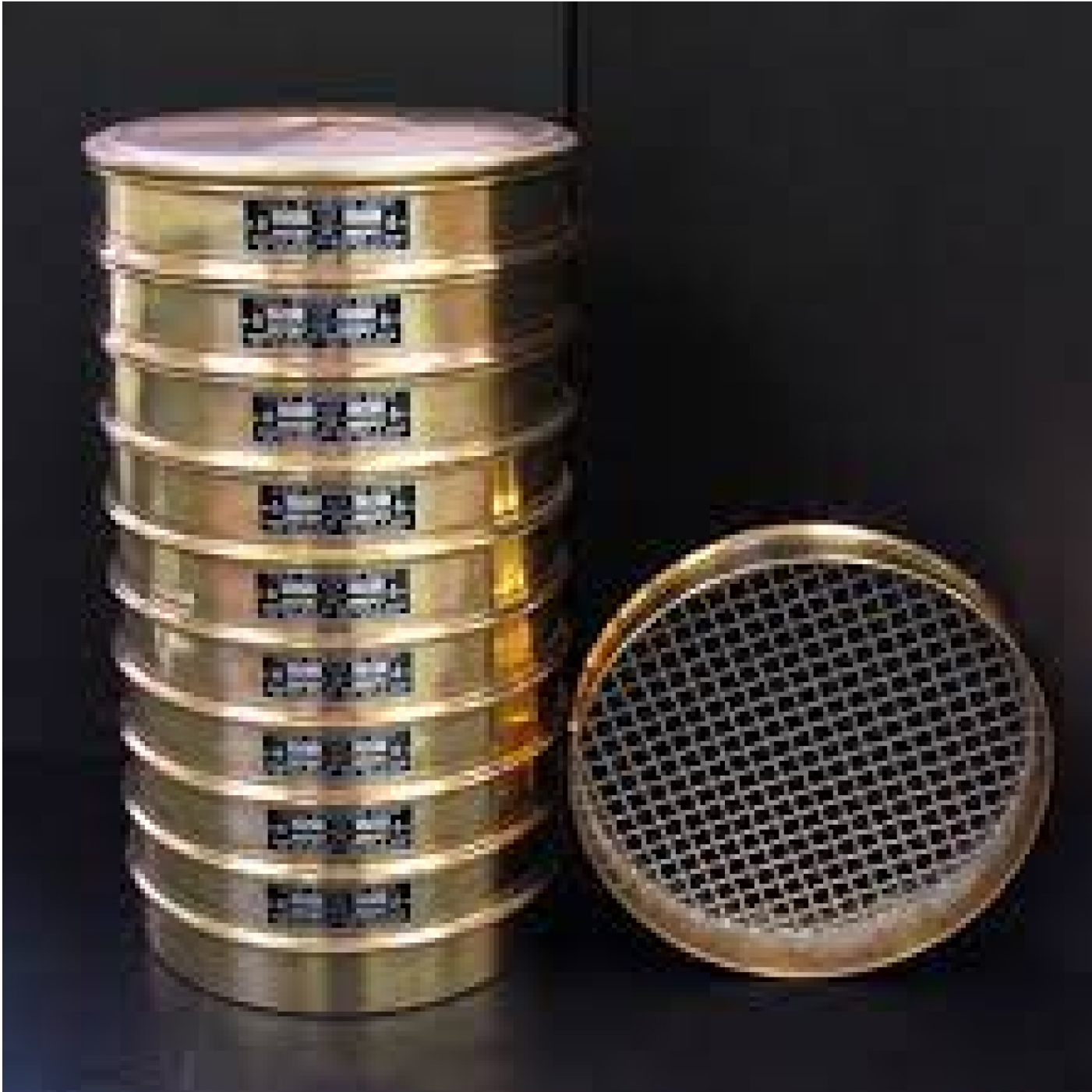
Grading of aggregates refers to the distribution of particle sizes within an aggregate sample. It is a critical aspect of aggregate quality and plays a significant role in determining the workability, strength, and durability of concrete and other construction materials. The grading of aggregates is achieved through a process known as sieve analysis, where the aggregate sample is passed through a series of sieves with different-sized openings. The results are presented in the form of a grading curve or a gradation chart.

2. Specific Gravity and water Absorption

Specific gravity and water absorption are important properties of aggregates used in construction materials like concrete and asphalt. They provide insights into the quality, density, and behavior of the aggregates in various applications.

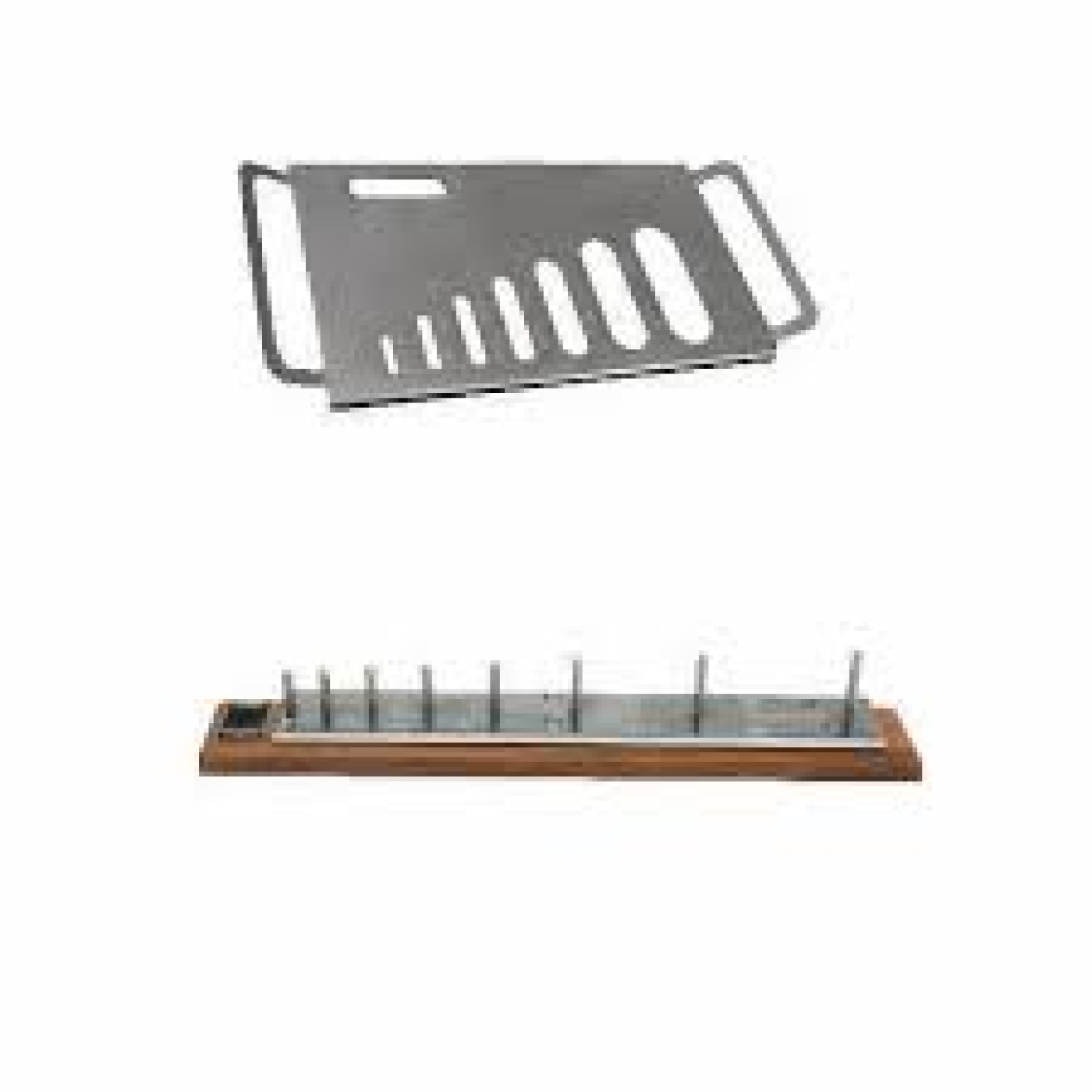
3. Flakiness and elongation tests

Flakiness and elongation tests are specific tests conducted on aggregates to assess their particle shape characteristics. These tests are important in construction materials, particularly in asphalt and concrete production, as the shape of aggregates can influence the workability, strength, and durability of the final product.

4. Crushing Test

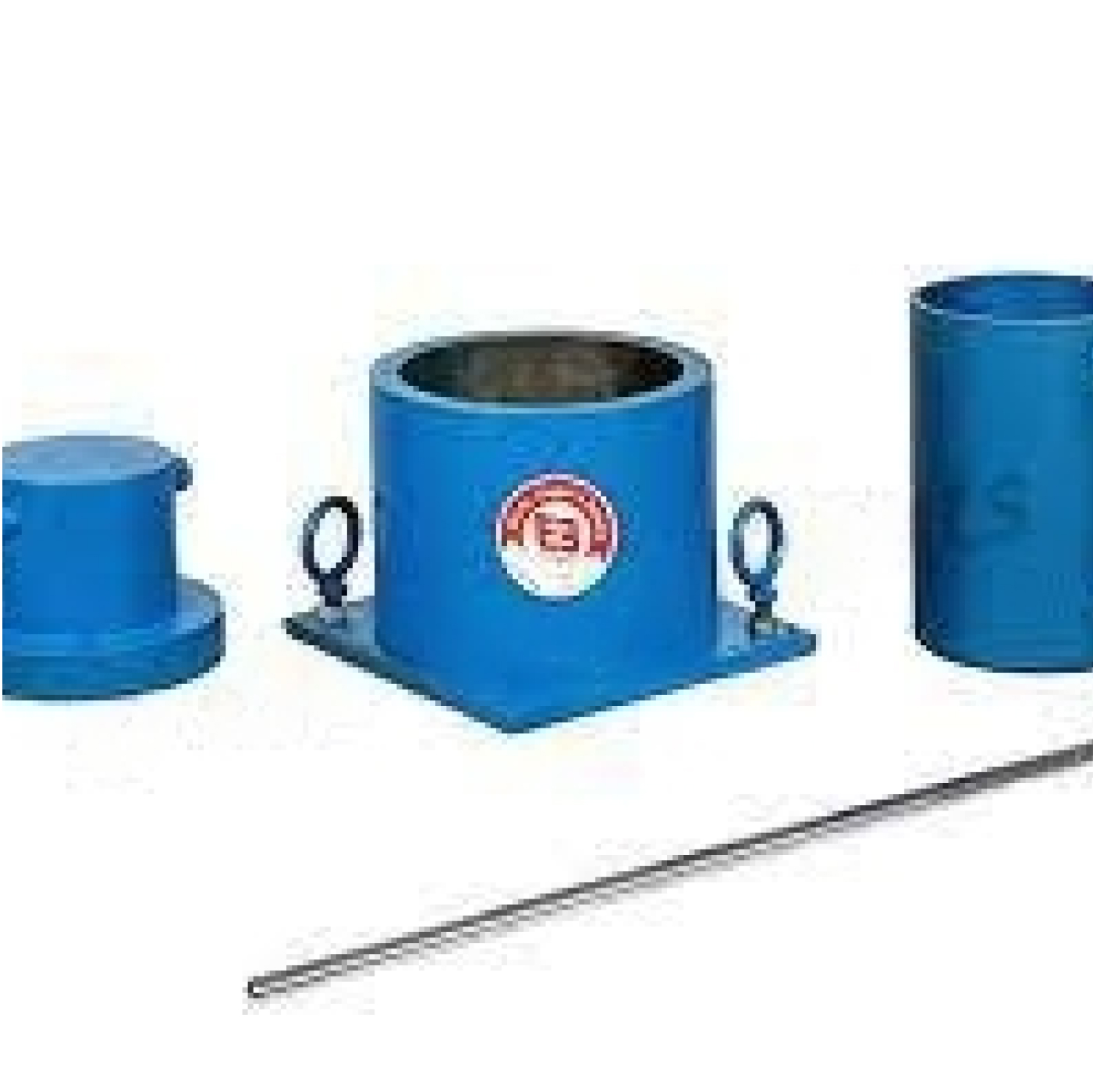
The Crushing Test, also known as the Aggregate Crushing Value (ACV) test, is a standardized test that evaluates the mechanical strength of aggregates used in construction. Specifically, the test measures the resistance of an aggregate to crushing under a gradually applied compressive load.

The ACV test is commonly used to assess the suitability of aggregates for use in concrete mixtures, road construction, and other applications where aggregates will experience compressive loads. The test provides insights into the aggregate's ability to withstand crushing forces and its overall durability.

5. Impact Value

6. Abbrasion Value

7. Soundness

8. 10% fines value

9. Bulk Density & Voids

10. Finer than 75 micron

Flakiness and elongation test

seive Analysis

Crushing Test