Water And Chemical Testing

Empowering Progress, Engineering Excellence

A chemical and water testing laboratory is a facility equipped with the necessary instruments and expertise to analyze various substances, including water samples, for chemical composition, contaminants, purity, and other properties. These laboratories play a crucial role in ensuring the safety and quality of water for consumption, industrial use, environmental monitoring, and regulatory compliance.

Testing water and chemicals in a construction lab is essential to ensure compliance with regulations, maintain quality control, and ensure the safety of workers and the environment.
1. Water Quality Testing

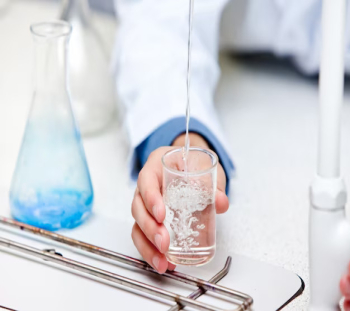
Analyzing water samples for parameters such as pH, turbidity, dissolved oxygen, conductivity, total dissolved solids (TDS), hardness, alkalinity, and specific contaminants like heavy metals, pesticides, bacteria, and other pollutants.

Water used in concrete mixing should be free from harmful impurities that could affect the strength and durability of the concrete. Tests may include pH, TDS, chloride content, sulfate content, and organic impurities.

Water quality testing in construction labs is essential to ensure compliance with regulatory standards and to maintain the integrity of construction materials and processes.

2. Chemical Analysis

Determining the composition and properties of various chemical substances, including raw materials, products, and pollutants. This may involve techniques such as chromatography, spectroscopy, titration, and microscopy.

Chemical testing in construction laboratories involves analyzing various materials used in construction projects to ensure their quality, durability, and compliance with industry standards and regulations.