Fineness modulus is a numerical measure used to describe the particle size distribution of a fine aggregate,
such as sand, in terms of its coarseness or fineness. It is an important parameter in concrete mix design and construction materials research,
as it provides information about the overall gradation of the aggregate, which can impact the workability, strength, and durability of concrete.
Specific gravity and water absorption are two important properties of aggregates used in construction materials,
such as concrete and asphalt. These properties provide insights into the quality, durability, and performance of
the aggregates in various applications.
a) specific gravity : Specific gravity (also known as relative density) is a measure of the density of a material compared to
the density of a reference substance, usually water. For aggregates, the specific gravity provides information about
the porosity and overall density of the material.
b) water absorption : Water absorption is the ability of an aggregate to absorb water,
expressed as a percentage of the aggregate's weight. It indicates the porosity and permeability of the aggregate,
which can affect its behavior in concrete and other applications.
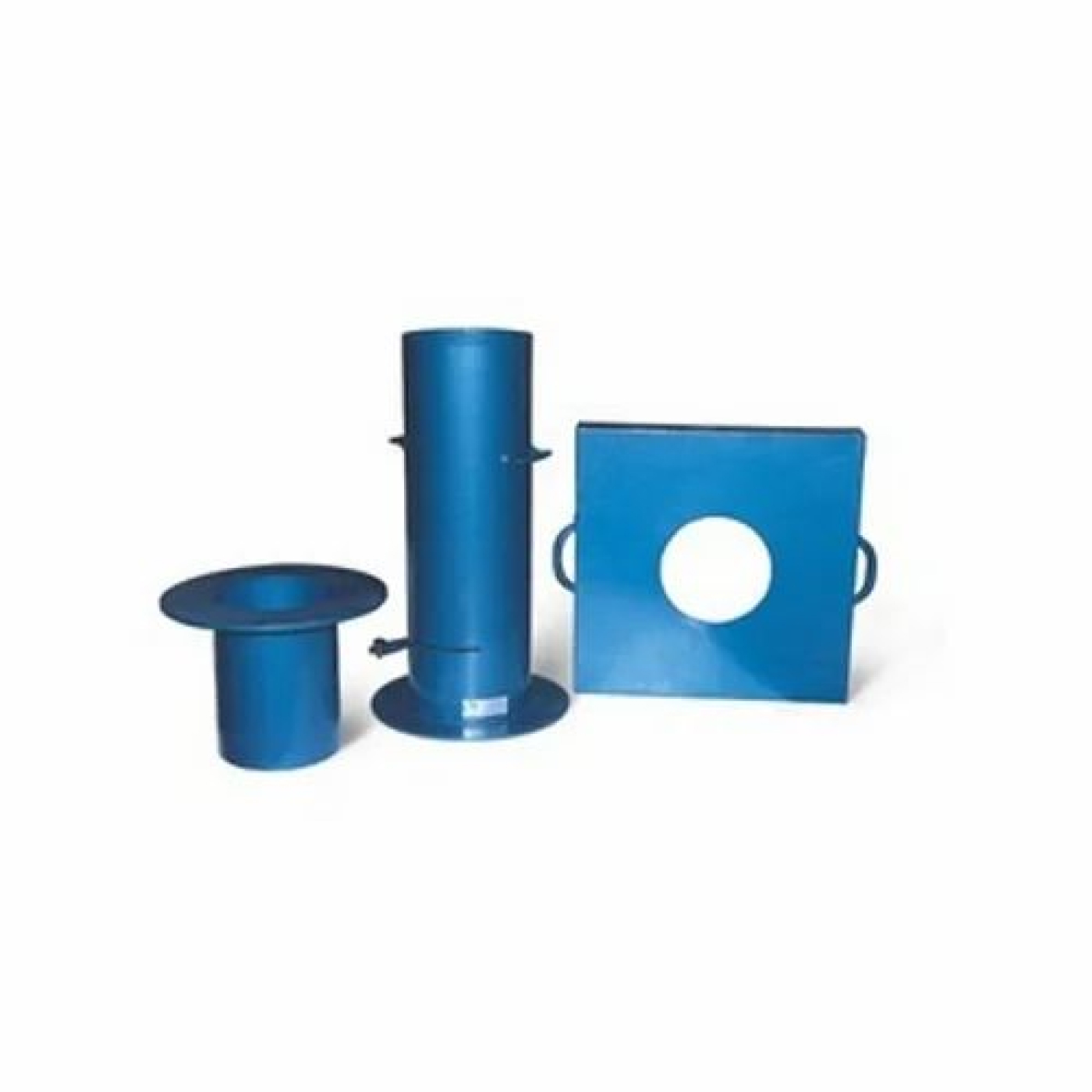
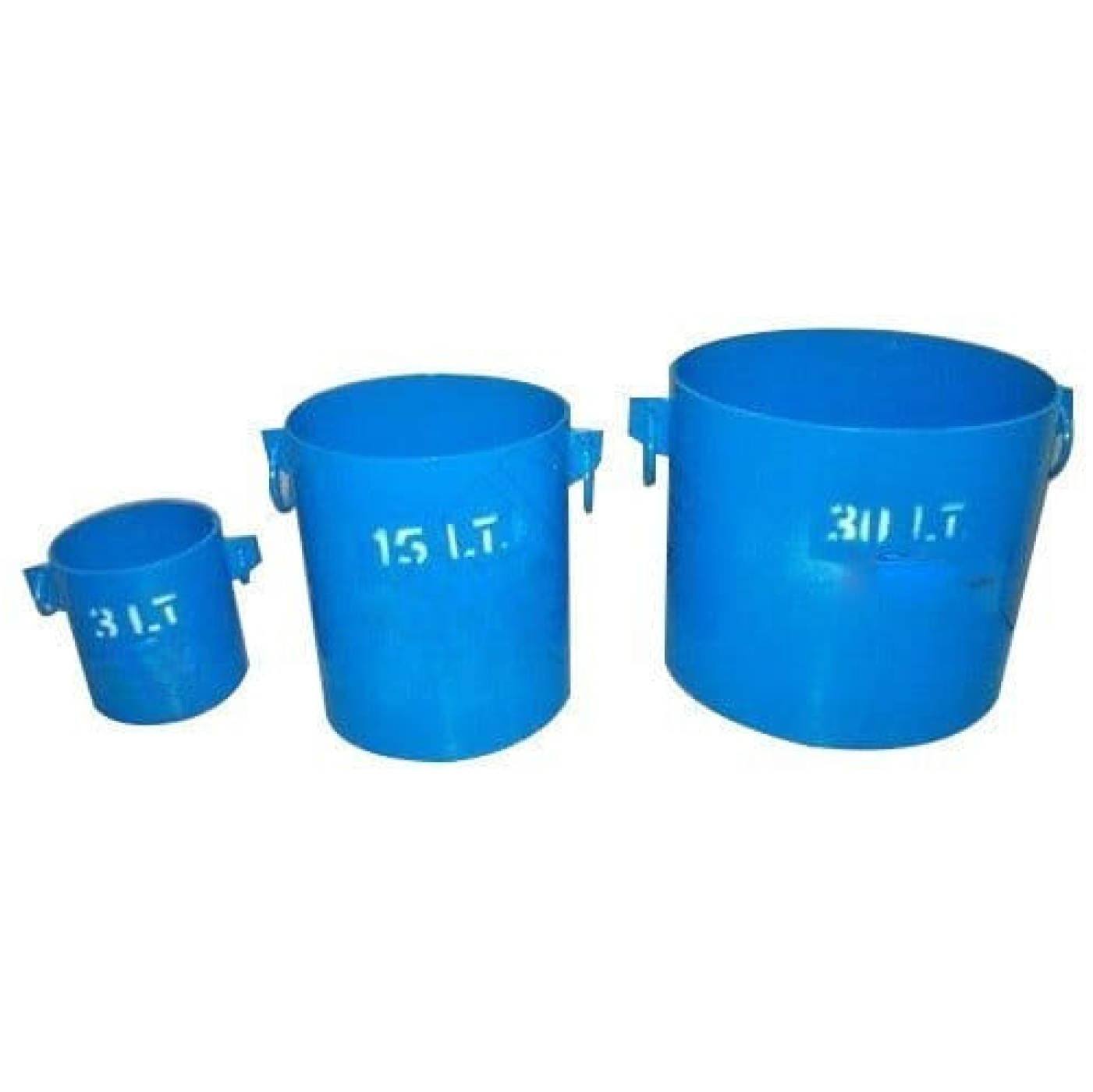
Bulk density is a measure of the mass of a material per unit volume when it is in a loose or uncompacted state.
In the context of civil engineering and construction, bulk density is often used to characterize
the density of granular materials such as soils, aggregates, and powders.
It is an important property that influences various aspects of material behavior and performance in construction and engineering applications.